
top

Employer: Amaro Drom e.V.

Project: Together Against Antigypsyism Online (TAAO), funded by the Citizens, Equality, Rights and Values (CERV) programme.

Contract duration: November 1, 2025 – April 15, 2026

Allocated workload: 20 working days

Background

Amaro Drom is acting as the lead coordinator for the “Together Against Antigypsyism Online” (TAAO) project, a multi-national initiative aimed at monitoring and combating antigypsyist hate speech across European digital spaces. As the project approaches its final phases, Amaro Drom is seeking a dedicated research expert to lead its comprehensive internal evaluation.

Tasks and responsibilities

The selected expert will be responsible for leading the entire internal evaluation lifecycle, specifically focusing on assessing the project’s structural integrity, administrative efficiency, and pedagogical efficacy. The core responsibilities include:

  • Preparing the research methodology: Finalizing the evaluation framework and designing the necessary research instruments (written questionnaires, semi-structured interview protocols, and focus group guides).
  • Implementing the methodology: Executing the data collection phase across the consortium. This includes administering questionnaires to project team members, conducting interviews with key management staff, and facilitating focus groups with the youth hate speech monitors.
  • Writing the final report: Synthesizing the qualitative and quantitative data into a comprehensive final research analysis that extracts deep organizational learning and actionable recommendations for the consortium.

Timeline and deliverables

  • Contract start date: November 1, 2025
  • Research implementation: All methodological implementation and data collection (interviews, focus groups, and questionnaires) must be finalized by the end of March 2026.
  • Final deliverable: The completed research analysis and evaluation report must be delivered to Amaro Drom no later than April 15, 2026.

Required qualifications

  • Demonstrated, hands-on experience working directly with Roma NGOs and civil society organizations.
  • Proven expertise in designing research methodologies, conducting qualitative/quantitative evaluations, and analyzing complex project data.
  • Excellent communication and report-writing skills.

Application procedure

Interested candidates who meet the required profile should submit to the email international@amarodrom.de their application containing the following documents:

  1. An updated Curriculum Vitae (CV).
  2. An application letter outlining your relevant experience, particularly your work with Roma NGOs, and your approach to this evaluation.

Application deadline: October 25, 2025

For more informations you can sent us an email to the same email address international@amarodrom.de
Roma Remembrance Week – english

Roma Remembrance and Solidarity is an annual seminar organised by Amaro Drom and Amaro Foro, bringing together youth workers and young people from across Europe to engage with Roma history, the genocide known as the Porajmos, and practices of memory and remembrance.

This year’s seminar took place in Berlin from 9 to 15 December and brought together 35 participants from nine countries: France, Bulgaria, Romania, North Macedonia, Serbia, Turkey, Italy, Hungary and Germany.

Over the course of one week, participants worked together in workshops, exchanging perspectives and reflecting on both the historical and present-day consequences of antigypsyism. The programme combined active, non-formal learning methods with spaces for discussion, learning and collective reflection.

This year, we cooperated with KogA, a partner organisation from the „Kooperationsverbund gegen Antiziganismus“ (Cooperation Network against Antigypsyism). KogA brings long-standing experience, particularly in the field of remembrance work and memorial education. Throughout the seminar, KogA supported the participants in engaging with cultures of remembrance and prepared them methodologically for the memorial site visit.

Participants spent a full day at the Ravensbrück Memorial, taking part in a guided educational tour. They walked the grounds of the former concentration camp and engaged with its history, with a particular focus on the persecution of Roma and Sinti in Ravensbrück. Special attention was given to Roma survivors such as Ceija Stojka and Wanda Fischer, as well as to forms of resistance by Roma and Sinti prisoners within the camp.

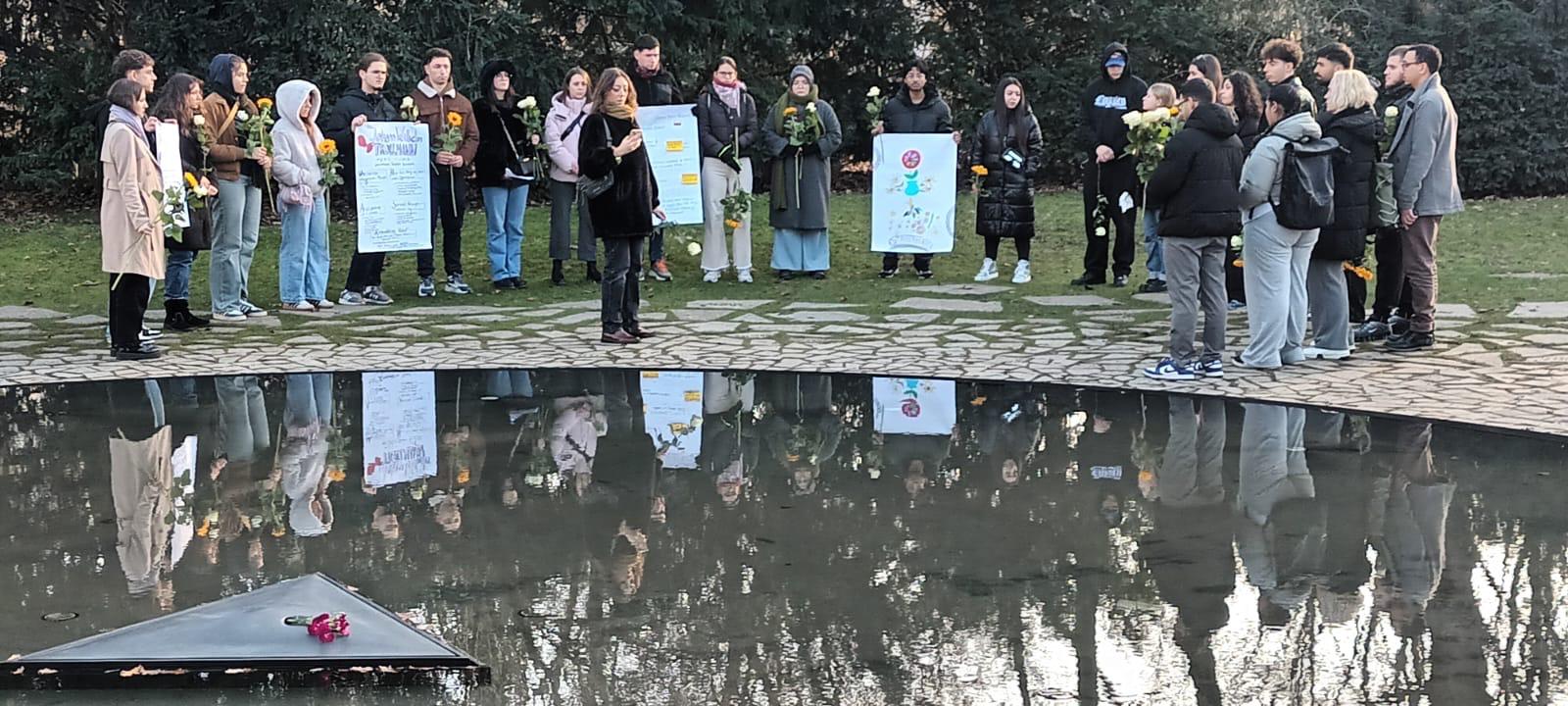
The seminar concluded with a youth-led commemoration at the Memorial to the Sinti and Roma of Europe Murdered under National Socialism, which was conceptualised and organised by the participants themselves.

This year’s remembrance seminar again brought young people together and strenghened intercultural and international exchange. At the same time, it placed the history of Roma and Sinti and the remembrance of the Porajmos at the centre of its work, addressing a dimension of Second World War remembrance that continues to receive far too little attention.


Roma Remembrance Week – deutsch

„Roma Remembrance and Solidarity“ ist ein jährlich stattfindendes Seminar von Amaro Drom und Amaro Foro, das Jugendleiter:innen und junge Menschen aus ganz Europa zusammenbringt, um sich mit der Geschichte der Roma, dem Völkermord, der Porajmos genannt wird, sowie mit Fragen von Erinnerung und Gedenken auseinanderzusetzen.

Das diesjährige Seminar fand vom 9. bis 15. Dezember in Berlin statt und brachte 35 Teilnehmende aus neun Ländern zusammen: Frankreich, Bulgarien, Rumänien, Nordmazedonien, Serbien, der Türkei, Italien, Ungarn und Deutschland.

Über eine Woche hinweg arbeiteten die Teilnehmenden in Workshops zusammen, tauschten Perspektiven aus und reflektierten sowohl die historischen als auch die gegenwärtigen Folgen von Antiziganismus. Das Programm verband aktive Lernmethoden mit Räumen für Diskussion, gemeinsames Lernen und kollektive Reflexion.

In diesem Jahr kooperierten wir mit KogA, einer Partnerorganisation aus dem Kooperationsverbund gegen Antiziganismus. KogA verfügt über langjährige Erfahrung insbesondere im Bereich der Erinnerungs- und Gedenkstättenarbeit. Während des Seminars unterstützte KogA die Teilnehmenden dabei, sich mit Erinnerungskulturen auseinanderzusetzen und bereitete sie methodisch auf den Besuch der Gedenkstätte vor.

Die Teilnehmenden verbrachten einen ganzen Tag in der Gedenkstätte Ravensbrück und nahmen dort an einer Führung teil. Sie bewegten sich über das Gelände des ehemaligen Konzentrationslagers und setzten sich mit dessen Geschichte auseinander, mit einem besonderen Fokus auf der Verfolgung von Roma und Sinti in Ravensbrück. Besonderes Augenmerk lag auf Roma-Überlebenden wie Ceija Stojka und Wanda Fischer sowie auf Formen des Widerstands von Roma und Sinti innerhalb des Lagers.

Den Abschluss des Seminars bildete eine selbstorganisierte Gedenkveranstaltung am Denkmal für die im Nationalsozialismus ermordeten Roma und Sinti Europas, die von den Teilnehmenden selbst konzipiert und organisiert wurde.

Das diesjährige Seminar brachte erneut junge Menschen zusammen und stärkte den interkulturellen und internationalen Austausch. Zugleich rückte es die Geschichte von Roma und Sinti sowie die Erinnerung an den Porajmos in den Mittelpunkt seiner Arbeit – einen Teil der Erinnerung an die Verbrechen des Nationalsozialismus, der bis heute zu wenig Beachtung findet.

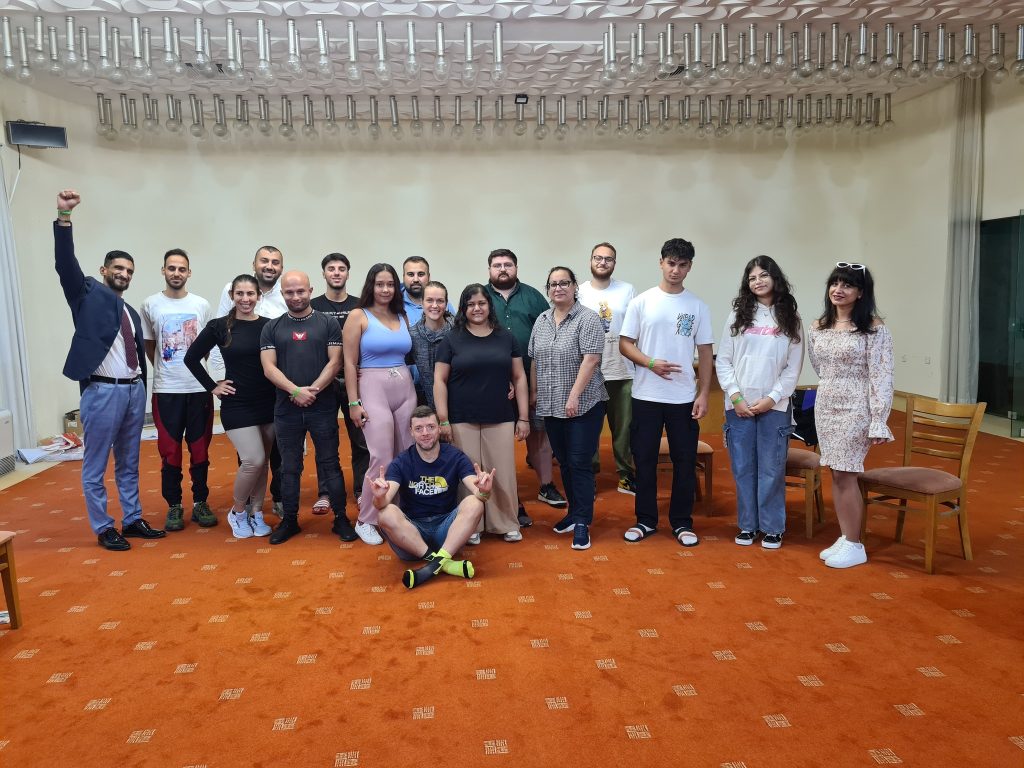
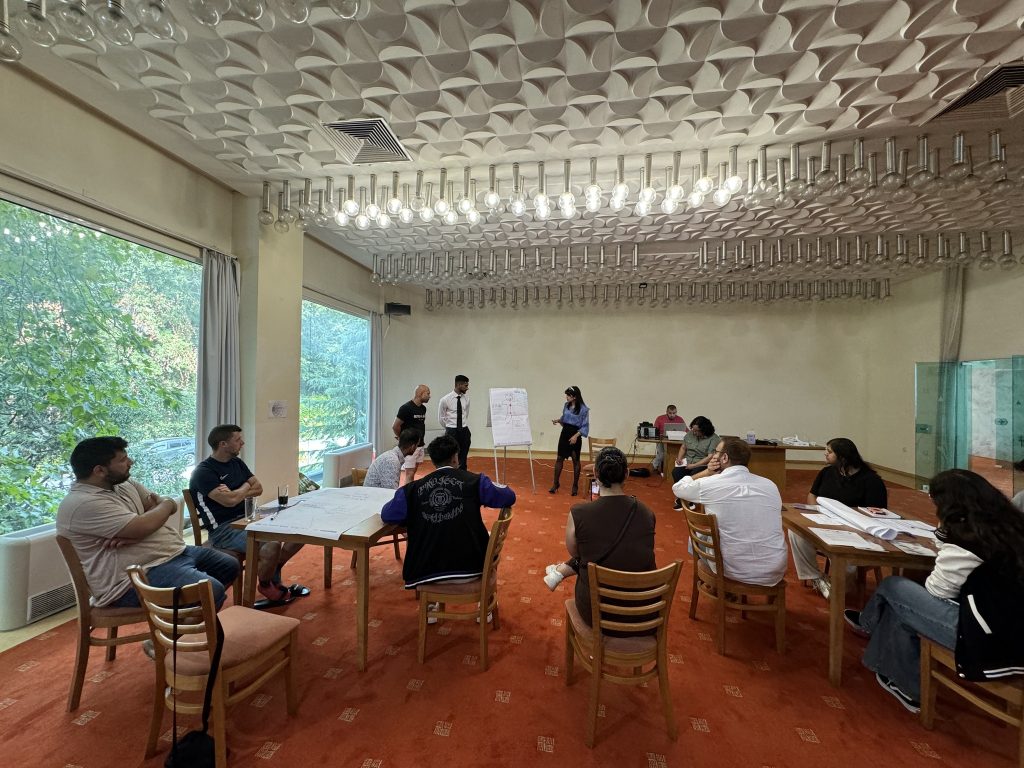
In September 2024, a training of trainers was held in Varna, Bulgaria. The goal of the training was to equip young Roma leaders from across Europe with the tools to raise awareness about antigypsyism, hate speech, and human rights. Through this training, participants will return to their countries to educate and inspire many more Roma to stand up against discrimination and effectively report hate speech.

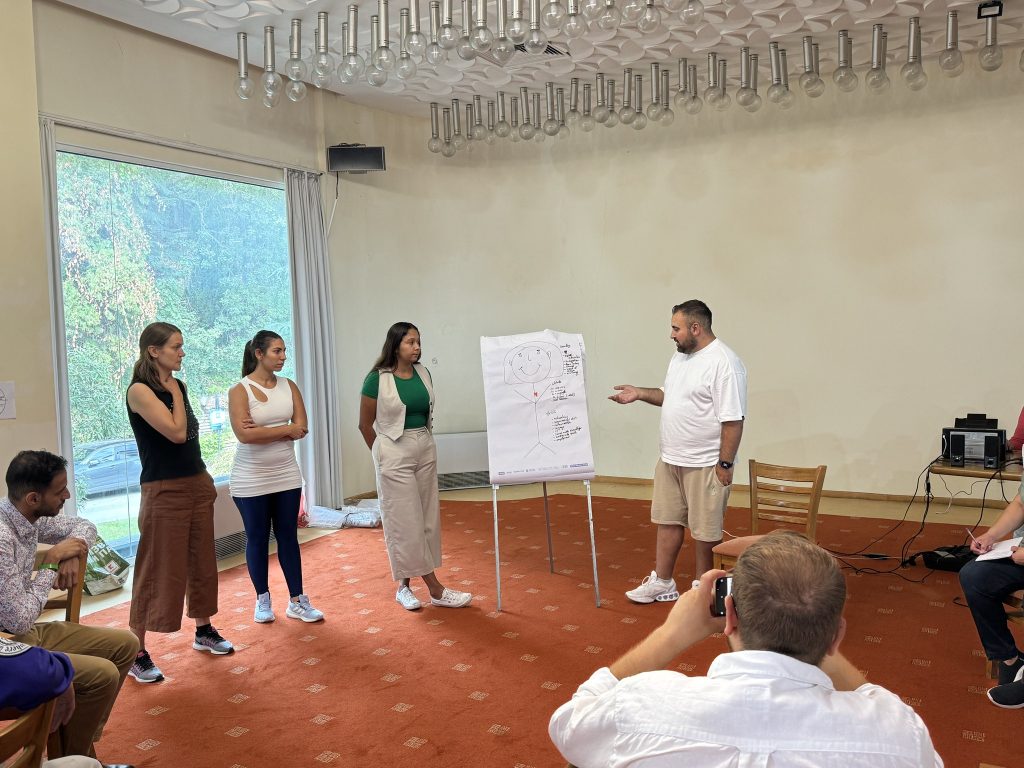
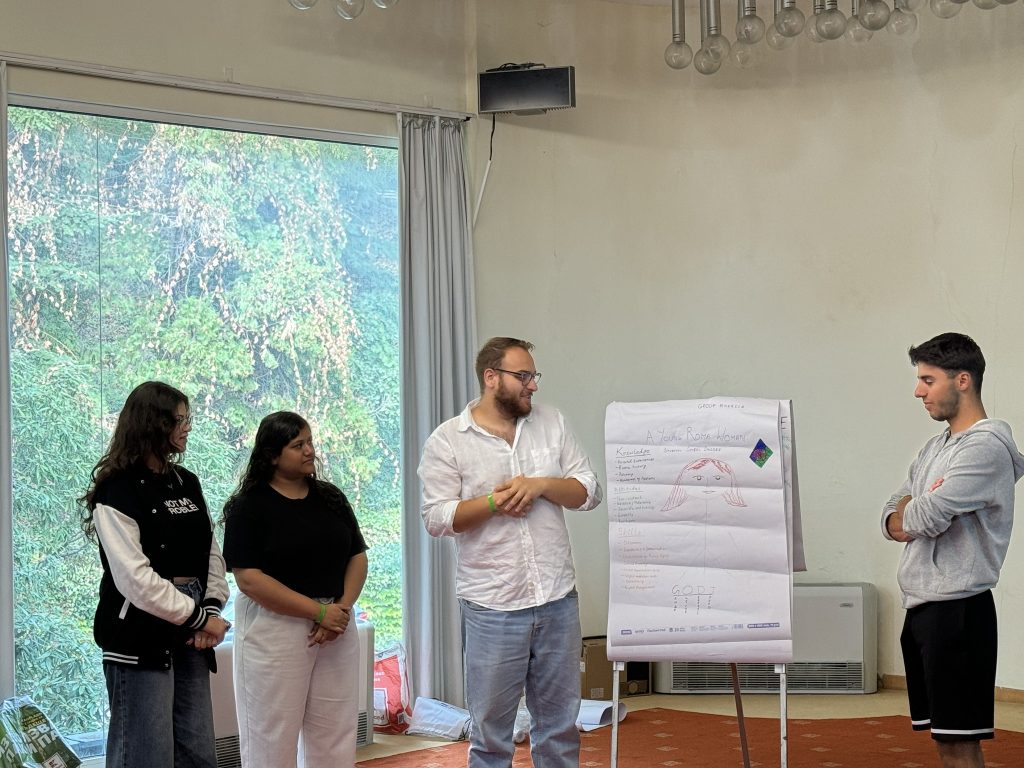
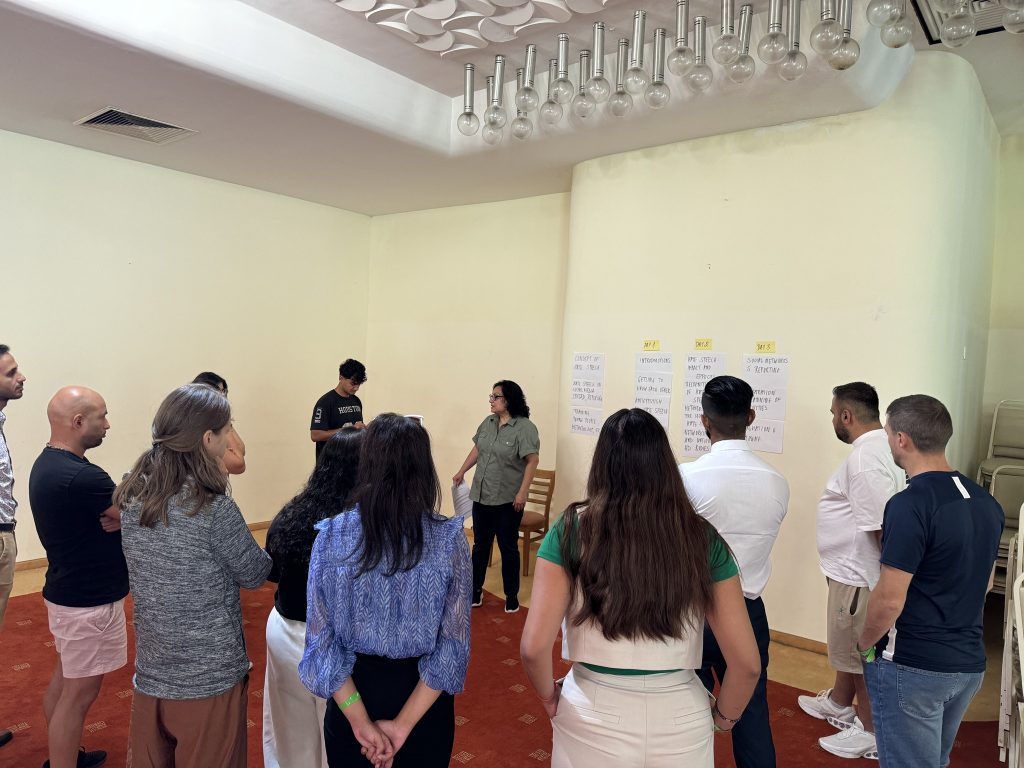
Over the course of the week, the group explored national policies related to antigypsyism and discrimination, diving deeper into reporting hate speech cases and understanding the legal landscape. They also had important discussions about stereotypes, tackling the deeper roots of antigypsyism. Beyond the learning, the participants spent valuable time getting to know each other, building strong bonds, and sharing our respective projects and visions for the future.

On the final day, they focused on action, planning our next steps for future trainings and initiatives aimed at empowering young Roma in our home countries. The day was particularly powerful as they mapped out concrete strategies for creating real change.

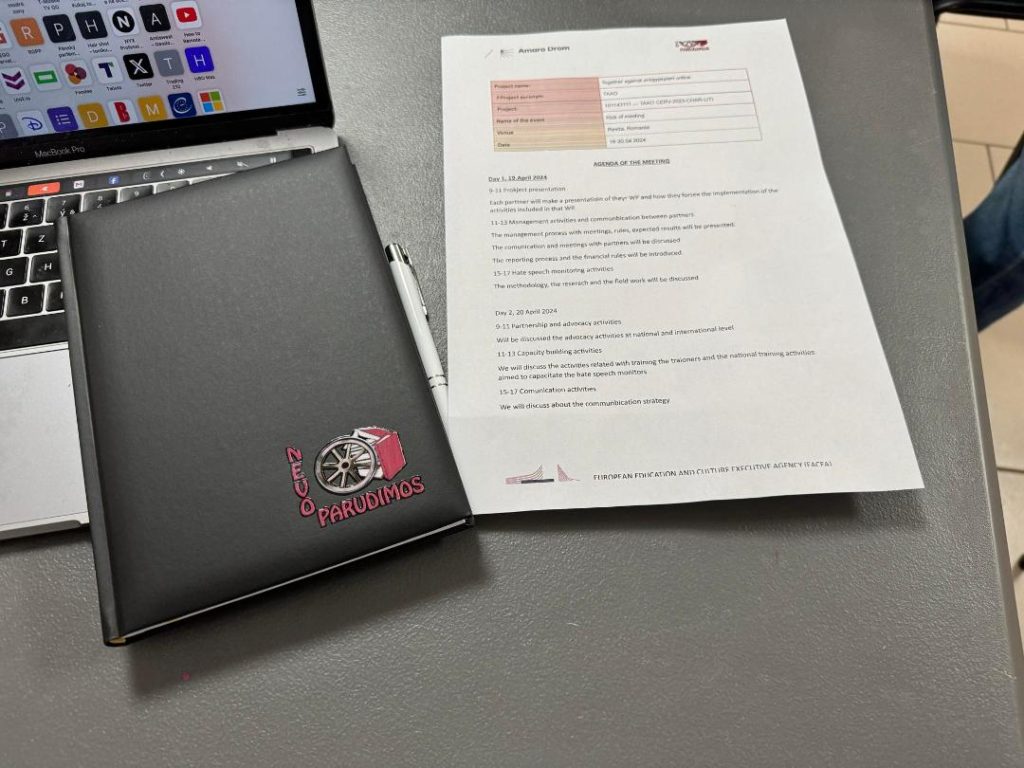
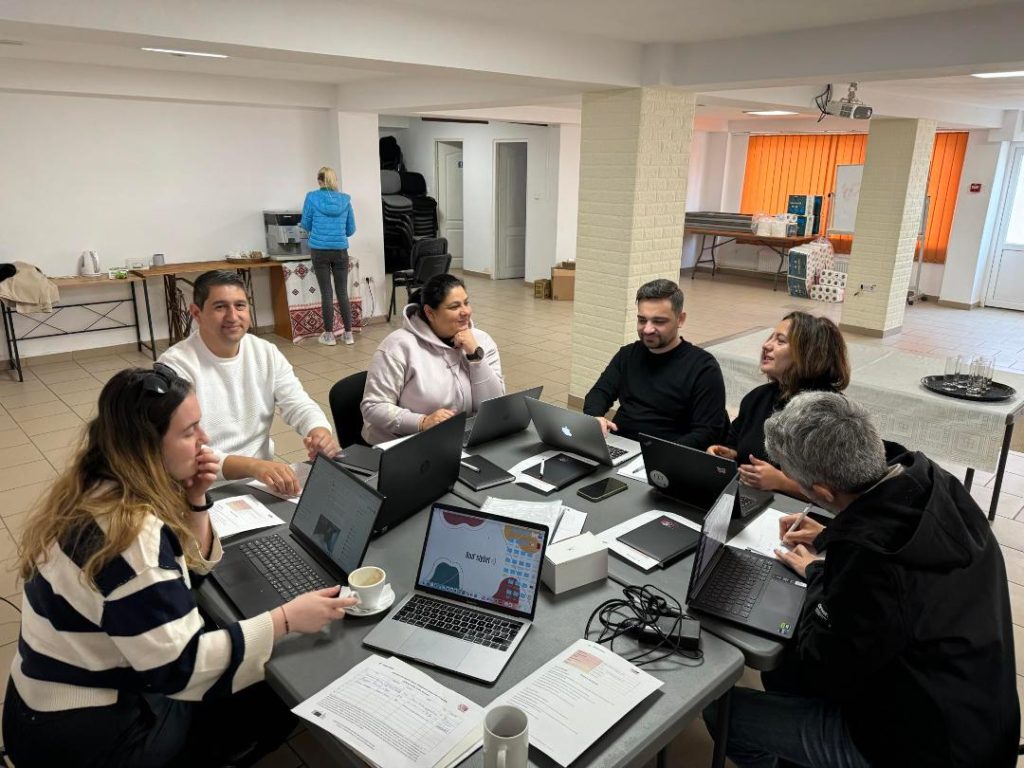
In 18-20 April 2024 the kick-off meeting of a new project ‘Together Against Antigypsyism Online’ took place in Resita, Romania. A project that aim to counter antigypsyism and hate speech on the internet. The project will run for two years, from March 2024 to February 2026. Its objectives: collect data on online hate speech, develop policy advise, improve national and EU-level instruments, enhance cooperation, advocate for better enforcement, raise awareness and report hate speech incidents and train content creators to change the narrative about the Roma online.

The “Together Against Antigypsyism Online” project is a collaboration between several organisations, including Nevo Parudimos, Асоциация Интегро Integro AssociationAmaro Drom e.V.Romaversitas Alapítvány, Roma Advocacy and Research Centre (RAVS), ROMEA and ERGO Network being a follow up to the PECAO project which was implemented by ERGO Network members in 2020-2022.